
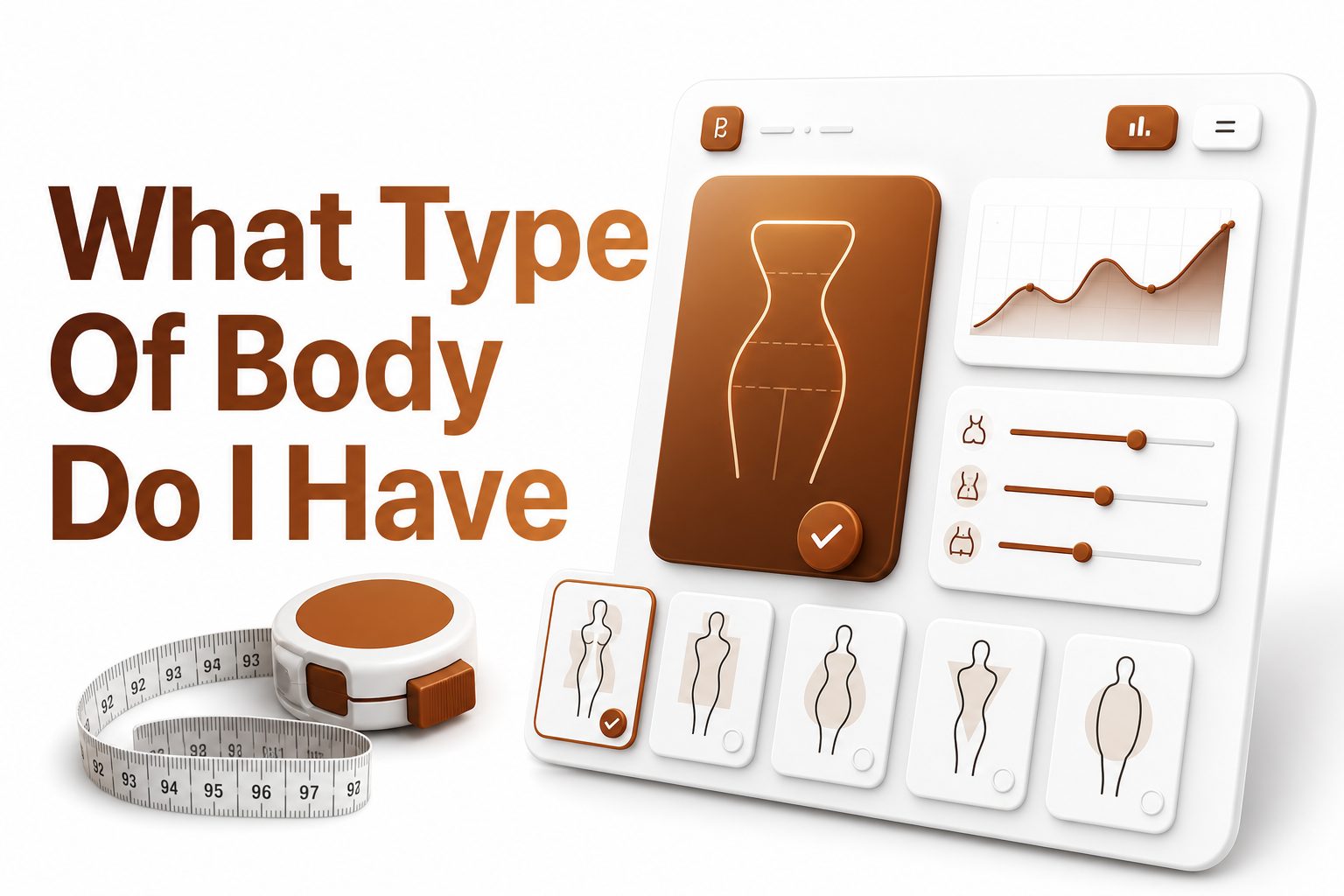
Many people ask what type of body do i have when clothes feel inconsistent from one brand to another. The answer usually starts with proportions, not weight, size, or height. Body type is mainly about how your shoulders, bust, waist, and hips relate to each other.
Knowing your body shape can make shopping easier, but it should never limit your style. It gives you a simple reference point for choosing cuts, fabrics, and outfits that feel comfortable. Your personal taste still matters more than any category.
Body types are not strict boxes. Two people can share the same shape and still look completely different because of height, posture, muscle, and clothing choices. The goal is clarity, not comparison, so you can make better style decisions.
Why Body Shape Matters
Body shape helps explain why certain outfits feel balanced while others seem awkward. A dress, blazer, or pair of jeans may fit your size but still feel off if the cut does not match your natural proportions.
This is especially useful when shopping online. Size charts often focus on numbers, but body shape gives extra context. It helps you predict whether a wrap dress, wide-leg pant, cropped jacket, or fitted top may suit your frame.
Your body shape can also guide wardrobe planning. When you know which silhouettes work often, you waste less time on pieces that stay unworn. That makes your closet more practical, personal, and easier to use every day.
Quick Body Shape Checklist
- Measure your shoulders, bust, waist, and hips with a soft measuring tape.
- Stand naturally and avoid pulling the tape too tightly.
- Compare proportions instead of focusing only on size.
- Notice where clothing usually feels tight, loose, or unbalanced.
- Use your shape as a styling guide, not a fixed rule.
- Recheck measurements after major fitness, health, or lifestyle changes.
Common Body Type Categories
The most common body shape names are rectangle, pear, apple, hourglass, and inverted triangle. These labels are widely used because they describe visible proportion patterns in a simple way. They are not medical terms or beauty standards.
A rectangle body shape usually has shoulders, waist, and hips that are fairly similar in width. A pear shape often has hips wider than shoulders. An inverted triangle shape usually has broader shoulders compared with the lower body.
An hourglass shape has a defined waist with bust and hips that are close in width. An apple shape often carries more fullness through the midsection. These categories overlap, so it is normal to feel close to more than one.
How To Measure Your Body
Use a flexible measuring tape and wear fitted clothing or light layers. Measure your shoulders around the widest point, keeping the tape level. If that is difficult alone, ask someone to help or use a mirror for alignment.
Measure the bust around the fullest part of your chest. Keep your arms relaxed and the tape snug, not tight. Then measure your waist at the narrowest point, which is often above the belly button but varies by person.
Measure your hips around the fullest part of your lower body. This may sit around the hip bones or lower across the seat. Write each number down, then compare the relationship between them instead of judging any number alone.
Simple Measurement Notes
- Shoulders wider than hips may suggest an inverted triangle shape.
- Hips wider than shoulders may point toward a pear shape.
- Similar shoulder, waist, and hip numbers may suggest a rectangle shape.
- A much smaller waist with balanced bust and hips may suggest an hourglass shape.
- A fuller midsection with slimmer legs may suggest an apple shape.
Rectangle Body Shape
A rectangle body shape usually has balanced shoulders and hips with less waist definition. This shape can look athletic, straight, or evenly proportioned. Clothes may hang cleanly, but some outfits can feel flat without added shape.
Structured pieces often work well for a rectangle frame. Jackets with waist seams, belted dresses, wrap tops, and high-rise bottoms can create more definition. Layering also adds depth when the outfit needs more visual movement.
This body type has strong styling flexibility. Straight cuts, relaxed tailoring, and minimal outfits can look polished. When you want curves, choose details near the bust, waist, or hips, such as ruching, pockets, pleats, or belts.
Pear Body Shape
A pear body shape usually has hips or thighs that are wider than the shoulders or bust. Many people with this shape notice that pants fit tighter than tops. Dresses may need more room at the lower body.
Balanced styling often means drawing attention upward while giving the hips enough space. Boat necklines, statement collars, structured shoulders, and lighter tops can create harmony. A-line skirts and wide-leg trousers can also feel comfortable and flattering.
The key is choosing lower-body pieces that skim rather than cling. Soft drape, stretch, and clean lines help avoid pulling across the hips. For more styling ideas, see the internal guide body shape outfit ideas at /body-shape-outfit-ideas.
Apple Body Shape
An apple body shape often has more fullness around the midsection, with slimmer legs or narrower hips. This shape can vary widely, and it is not tied to weight alone. Some people naturally carry more volume through the torso.
Clothing that creates vertical lines can feel especially polished. Open jackets, V-neck tops, long cardigans, and straight-leg pants help lengthen the frame. Soft fabrics with structure often work better than stiff materials that add bulk.
Comfort matters here because waistbands can be tricky. Mid-rise or flexible high-rise bottoms may feel better than tight waist cuts. Dresses with gentle shaping under the bust or relaxed waist placement can create ease without hiding the body.
Hourglass Body Shape
An hourglass body shape usually has bust and hips that are similar in width, with a noticeably smaller waist. This shape often looks balanced naturally, but loose clothing can sometimes hide that balance and feel heavier than expected.
Fitted and semi-fitted pieces often work well. Wrap dresses, waist seams, pencil skirts, tailored trousers, and belted coats can highlight natural proportions. Stretch fabrics may help garments follow the body without pulling or gaping.
The best approach is usually clean waist definition. That does not mean every outfit needs to be tight. Even relaxed pieces can work when they include shape through fabric, drape, neckline, or thoughtful layering.
Inverted Triangle Body Shape
An inverted triangle body shape usually has shoulders or bust wider than the hips. This shape can look strong and athletic. Some people notice jackets fit well at the top but skirts or pants need styling balance.
To create harmony, add visual interest to the lower body. Wide-leg pants, flared jeans, pleated skirts, cargo pockets, and textured fabrics can balance broader shoulders. Softer necklines can also reduce sharpness across the upper frame.
This shape does not require hiding the shoulders. Strong shoulders can be a major style advantage. The aim is to choose outfits that feel intentional, with enough volume below to support the upper body visually.
Body Shape And Body Size
Body shape and body size are different. Size describes garment measurements, while shape describes proportion. A person can be petite, tall, plus-size, athletic, or curvy and still fit into any body shape category.
This distinction matters because two people wearing the same size may need different cuts. One may need more hip room, while another needs more bust room. That is why size alone rarely solves fit problems.
If you ask what type of body do i have, avoid using weight as the main clue. Measurements and clothing behavior give better answers. Your shape can stay similar across sizes, though it may shift with lifestyle or age.
Body Type And Personal Style
Body shape can guide style, but it should not control it. If you love oversized tailoring, fitted dresses, bold prints, or minimal basics, those preferences matter. Your best wardrobe combines proportion awareness with personal expression.
Trends often ignore body variation. A viral cut may look effortless on one person and uncomfortable on another. That does not mean your body is wrong. It means the garment was designed around a different set of proportions.
Use body type advice as a filter. Keep what helps and ignore what feels limiting. For practical wardrobe planning, the internal guide capsule wardrobe basics at /capsule-wardrobe-basics can help connect shape, lifestyle, and daily outfit choices.
Clothing Fit Signs To Notice
Your clothes often reveal your body shape before measurements do. If pants regularly gap at the waist but fit the hips, your waist-to-hip difference may be stronger. If tops pull at the shoulders, your upper body may be broader.
Notice where fabric collapses, stretches, or bunches. These fit signals are useful because they show how garments interact with your proportions. Repeated problems across several brands usually point to shape, not a single bad item.
Tailoring can solve many issues. A simple waist adjustment, hem change, or sleeve fix can make clothing look custom. Body shape knowledge helps you decide which pieces are worth tailoring and which ones will always fight your frame.
Helpful Fit Clues
- Waist gaps often suggest curvier hips or a smaller waist.
- Tight shoulders may suggest a broader upper frame.
- Loose bust areas may mean the garment was cut for more chest volume.
- Pulling across hips often points to a pear or curvier lower body shape.
- Shapeless dresses may need waist definition, structure, or better fabric weight.
How Posture And Muscle Affect Shape
Posture can change how body proportions appear. Rounded shoulders, a forward neck position, or a tilted pelvis can affect the way clothes sit. This does not change your actual measurements, but it can affect visual balance.
Muscle also plays a role. Strength training can broaden shoulders, define the waist, or add shape to hips and thighs. That means body type can shift gradually, especially for people with active fitness routines.
Because of these factors, body shape is best treated as flexible. Reassess your proportions when your clothes start fitting differently. A small wardrobe adjustment may be enough instead of replacing everything or changing your style completely.
Best Styling Approach By Shape
For rectangle shapes, focus on creating definition where you want it. Belts, cropped jackets, peplum tops, and layered outfits can add shape. Straight silhouettes also work well when the outfit feels intentional and well fitted.
For pear shapes, balance the upper body with detail, structure, or brighter color. Choose bottoms with clean lines and enough movement. For apple shapes, vertical layers, soft structure, and comfortable waist placement often create the easiest outfits.
For hourglass shapes, highlight the waist with fitted or shaped cuts. For inverted triangles, add volume or interest below the waist. These ideas are starting points, and the best results come from testing them in real outfits.
Body Confidence And Practical Style
Body type conversations should support confidence, not pressure. Your shape is not a problem to correct. It is useful information that can help you choose clothes with less frustration and more consistency.
The most flattering outfit is often the one that fits your body and your life. A great look should let you sit, move, work, travel, and relax. Style becomes stronger when comfort and proportion work together.
Avoid treating one body shape as better than another. Fashion advice changes constantly, but real proportions remain personal. When you know your body clearly, you can dress with more ease and less dependence on trends.
Mistakes To Avoid
One common mistake is choosing clothes only because they suit a listed body type. A recommendation may make sense on paper but fail because of fabric, height, lifestyle, or personal taste. Try the idea, then judge the result.
Another mistake is relying on one measurement. Body shape comes from the relationship between several areas. Shoulders, bust, waist, hips, and overall frame all matter. Even small differences can affect how clothing sits.
Avoid using body type labels negatively. They are practical tools, not judgments. If a label makes you feel restricted, use measurements and fit notes instead. The purpose is better clothing decisions, not a smaller view of yourself.
Conclusion
Finding your body type starts with simple measurements and honest fit notes. Compare your shoulders, bust, waist, and hips, then look at how your clothes behave. This gives a clearer answer than guessing from weight, height, or standard clothing size.
The main shapes include rectangle, pear, apple, hourglass, and inverted triangle. Each one has useful styling patterns, but none should limit your wardrobe. The best outfits support your proportions, comfort, lifestyle, and personal taste.
When you ask what type of body do i have, the most useful answer is the one that helps you shop smarter and feel more at ease. Treat your shape as a guide, then build a wardrobe around real fit and daily confidence.
FAQ
How do I know my body shape accurately?
Measure your shoulders, bust, waist, and hips with a flexible tape. Compare the numbers and note where clothes usually fit tightly or loosely. Your repeated fit patterns often confirm your body shape better than appearance alone.
Can my body type change over time?
Yes, body type can shift with age, fitness, pregnancy, hormones, weight changes, or muscle gain. Your basic frame may stay similar, but clothing proportions can change enough to make a new measurement check useful.
Is body shape the same as body size?
No, body size refers to measurements used for clothing labels, while body shape refers to proportions. Two people can wear the same size but need completely different cuts because their shoulders, waist, and hips differ.
Which body shape is most common?
There is no single reliable answer because body shape varies by genetics, age, lifestyle, and measurement method. Rectangle, pear, apple, hourglass, and inverted triangle shapes are all common, with many people falling between categories.
Do I need to dress for my body type?
You do not need to follow body type rules, but they can help when fit feels difficult. Use them as guidance for cuts and proportions, then choose outfits that match your comfort, taste, and lifestyle.
0 Comments