
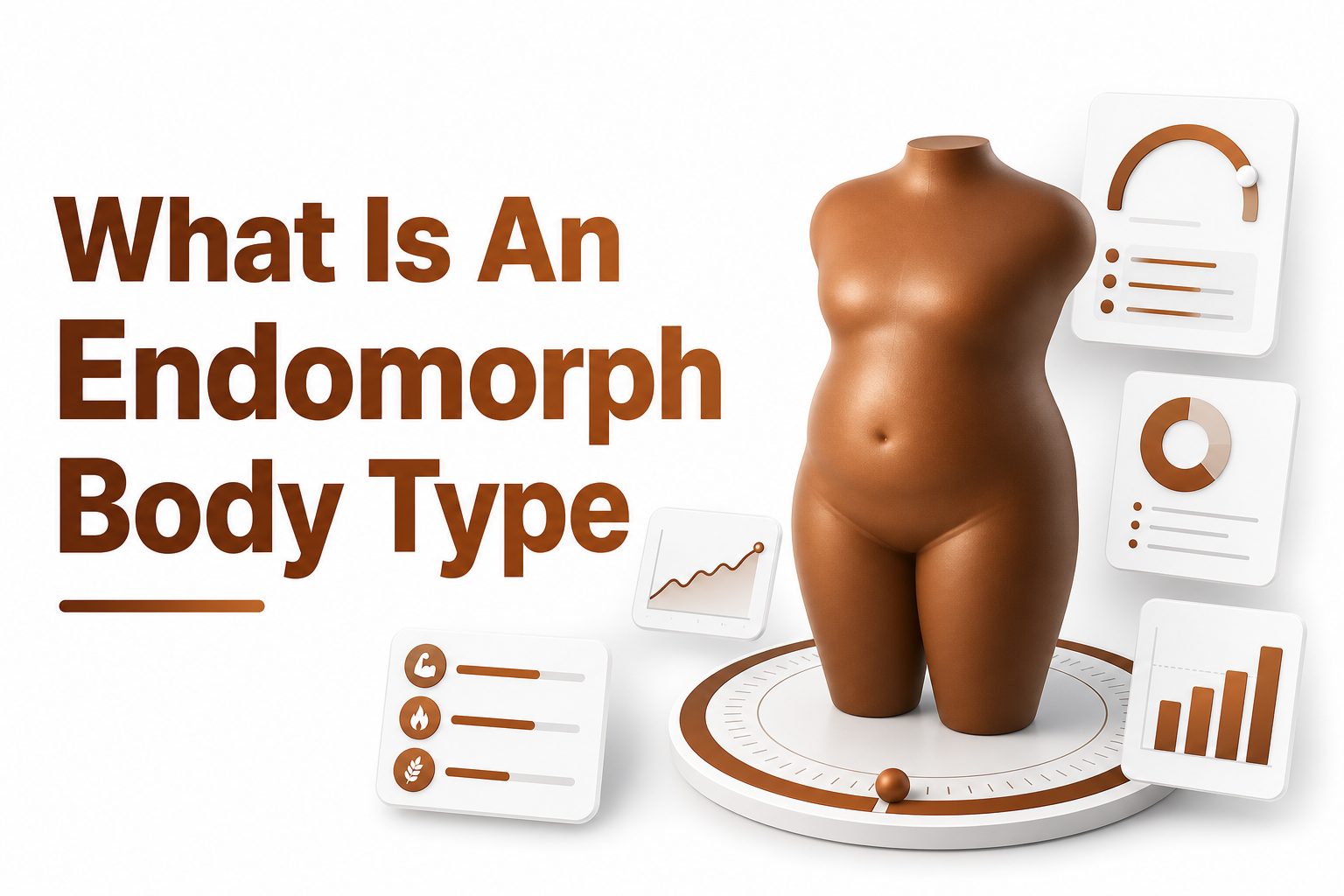
The phrase what is an endomorph body type refers to a body classification often linked with a naturally softer frame, easier weight gain, and a tendency to store fat more readily. It is one of three traditional somatotypes, alongside ectomorph and mesomorph.
Endomorphs often have wider hips, a rounder build, and slower visible changes during fat loss. These traits do not define health, discipline, or ability. They simply describe common patterns in body structure, metabolism, and energy storage.
Modern fitness uses body types as loose guidance, not strict science. A person may show endomorph traits while also having mesomorph features. The goal is not to fit a label, but to use helpful patterns for smarter nutrition and training.
Common Endomorph Traits
Many endomorphs notice that weight gain happens quickly when activity drops or calorie intake rises. Fat storage may appear around the abdomen, hips, thighs, or upper arms. Muscle can still develop well with structured training and consistent recovery.
An endomorph body may look naturally broad, compact, or curvy. Some people have shorter limbs, thicker joints, and a softer appearance even when active. These traits are influenced by genetics, hormones, lifestyle, sleep, stress, and daily movement.
This body type often responds well to balanced meals, strength training, and regular low-impact movement. Extreme dieting usually creates short-term results followed by frustration. A steadier approach supports body composition, energy, and long-term consistency.
Practical signs often include:
- Weight gain from long sedentary periods
- Fat storage around the waist, hips, or thighs
- Good strength potential with resistance training
- Slower visible fat loss without meal structure
- Better results from consistent daily movement
- Strong response to protein-rich meals
How Metabolism Affects Endomorphs
Metabolism is the process your body uses to convert food into energy. Endomorphs are often described as having a slower metabolic rate, but the real picture is more detailed. Muscle mass, activity, food choices, age, and hormones all matter.
A person with endomorph traits may burn fewer calories during inactive periods, especially if they have low muscle mass. This does not mean fat loss is impossible. It means energy balance, meal timing, and movement habits may need closer attention.
Building muscle is especially useful because muscle tissue uses more energy than fat tissue. Strength training, enough protein, and proper sleep can improve body composition. Small daily actions often create stronger results than aggressive short-term plans.
Nutrition Approach for Endomorphs
Endomorph nutrition works best when meals are filling, balanced, and easy to repeat. Protein should appear in most meals, along with vegetables, whole-food carbohydrates, and healthy fats. This combination helps manage hunger and supports training recovery.
Highly processed foods can make calorie control harder because they are easy to overeat. Sugary drinks, fried snacks, and large refined-carb portions may slow progress. They do not need to disappear fully, but they should not dominate daily intake.
A useful approach is to build plates around lean protein, fiber-rich vegetables, and controlled portions of starches. For more meal structure, an endomorph diet plan can help organize food choices without turning eating into a strict rulebook.
Helpful meal habits include:
- Eat protein with breakfast, lunch, and dinner
- Choose vegetables or fruit at most meals
- Use whole grains, potatoes, beans, or oats for carbohydrates
- Keep sugary drinks occasional
- Plan snacks before hunger becomes intense
- Drink water consistently through the day
Best Workouts for Endomorphs
Training for an endomorph body type should include strength work, cardio, and daily movement. Strength training helps build muscle, which improves shape and supports a healthier metabolism. Cardio improves heart health and helps manage overall energy balance.
Compound exercises are especially effective because they train several muscles at once. Squats, rows, presses, deadlifts, lunges, and carries can build practical strength. Beginners can start with machines, dumbbells, or bodyweight exercises before progressing further.
Cardio does not need to be punishing. Walking, cycling, swimming, incline treadmill sessions, and intervals can all work well. A balanced routine is easier to maintain than a plan built around exhaustion and guilt.
Strength Training Benefits
Strength training is valuable for endomorphs because it changes body composition, not just scale weight. Muscle adds firmness, improves posture, and supports better blood sugar control. It also helps the body use energy more efficiently across the day.
Two to four strength sessions per week can be enough for many people. The key is progression. Adding reps, improving form, lifting slightly heavier, or increasing training volume over time gives the body a reason to adapt.
A strength training for beginners guide can be useful if exercise feels unfamiliar. Proper form matters more than heavy weights at first. Good technique reduces injury risk and makes every session more productive.
Cardio and Daily Movement
Cardio supports fat loss, endurance, and general health, but it should match your current fitness level. Long intense sessions are not required for progress. Many endomorphs do well with steady movement they can repeat most days.
Walking is often underrated. A daily step goal can increase calorie burn without draining recovery. It also reduces stiffness, supports digestion, and improves mood. For many people, regular walking is easier to maintain than formal cardio sessions.
Intervals can be added once a base level of fitness is in place. Short bursts of higher effort followed by recovery periods can improve conditioning. Still, recovery and consistency matter more than chasing the hardest workout possible.
Lifestyle Factors That Matter
Sleep has a major effect on hunger, cravings, recovery, and body composition. Poor sleep can make healthy choices harder, especially around high-calorie foods. Most adults benefit from a consistent sleep schedule and a calmer evening routine.
Stress also affects progress. High stress may increase emotional eating, reduce motivation, and disrupt sleep. Relaxation habits, outdoor time, journaling, stretching, or quiet breaks can support better decisions without needing a complete lifestyle overhaul.
Daily routines create the foundation. Meal planning, regular training times, prepared snacks, and a realistic sleep schedule remove guesswork. Endomorphs often do better when healthy choices are planned before life becomes busy.
Common Mistakes to Avoid
One common mistake is cutting calories too low. Severe restriction may create quick weight loss at first, but it often increases hunger and reduces training quality. A moderate calorie deficit is usually easier to maintain and safer long term.
Another mistake is relying only on cardio. Cardio helps, but strength training shapes the body and supports metabolic health. Without resistance training, weight loss may include muscle loss, which can make maintenance harder later.
Some people also compare their progress to faster-changing body types. That can lead to frustration. A better measure is personal consistency, improved strength, better energy, waist changes, and healthier habits that can be repeated.
Body Type and Genetics
Genetics influence bone structure, fat distribution, appetite signals, and muscle-building potential. Endomorph traits may run in families, but genetics are not a fixed outcome. Lifestyle still affects health, fitness, and body composition in meaningful ways.
Two people can follow the same plan and get different results. That does not mean one person failed. It means the plan may need adjustment based on hunger, recovery, schedule, training history, and personal response.
A useful mindset is to work with your body, not against it. Endomorph traits may require more structure, but they can also come with strong muscle potential and good results from steady strength training.
Tracking Progress Wisely
The scale can be useful, but it should not be the only measure. Endomorphs may gain muscle while losing fat, which can make scale changes slower. Waist measurements, progress photos, strength numbers, and clothing fit add better context.
Tracking food for a short time can reveal patterns. It does not need to become permanent. Many people learn portion sizes, protein intake, and hidden calorie sources by logging meals for a few weeks.
Progress should be reviewed over weeks, not days. Water weight, hormones, sodium, digestion, and workouts can shift daily weight. A longer view gives a more accurate picture and reduces stress around normal fluctuations.
Sustainable Eating Patterns
A sustainable eating pattern should fit work, family, budget, culture, and appetite. Endomorphs do not need a perfect diet. They need repeatable meals that control hunger, support energy, and reduce random overeating.
Protein and fiber are especially helpful. Eggs, fish, chicken, Greek yogurt, tofu, beans, lentils, vegetables, berries, oats, and whole grains can keep meals satisfying. Healthy fats from nuts, olive oil, avocado, and seeds can also support fullness.
Carbohydrates are not the enemy. Portion size and food quality matter more. Many active endomorphs perform better with smart carbohydrate timing around workouts, especially from whole-food sources rather than sweets and refined snacks.
Conclusion
The answer to what is an endomorph body type is simple: it describes a person who may gain weight more easily, store fat more readily, and often benefit from structured nutrition and consistent training.
Endomorph traits are not a limitation. They are a useful starting point for building habits that match your body. Strength training, balanced meals, regular cardio, better sleep, and realistic tracking can support steady progress.
The best plan is one you can repeat without feeling controlled by it. Focus on protein, movement, recovery, and gradual improvement. Over time, small choices create lasting changes in strength, confidence, and overall health.
Frequently Asked Questions
What does endomorph body type mean
An endomorph body type usually means a naturally softer, broader build with a tendency to gain weight more easily. It can also include strong muscle potential. The label is only a guide, not a fixed health prediction.
Can endomorphs lose weight
Yes, endomorphs can lose weight with a consistent calorie deficit, strength training, cardio, and daily movement. Progress may feel slower for some people, but steady habits usually work better than extreme diets or short-term challenges.
What foods suit endomorphs best
Endomorphs often do well with protein-rich meals, vegetables, fruits, whole grains, beans, and healthy fats. Highly processed snacks and sugary drinks are easier to overconsume, so keeping them occasional can make progress more manageable.
Should endomorphs avoid carbohydrates
Endomorphs do not need to avoid carbohydrates completely. Better choices include oats, potatoes, brown rice, beans, fruit, and whole grains. Portion control and activity level matter more than removing an entire food group.
How often should endomorphs exercise
Many endomorphs benefit from three to five workout sessions per week, including strength training and cardio. Daily walking or light movement also helps. The best routine is one that supports progress without causing burnout.
0 Comments